

What is AI Energy Hackathon
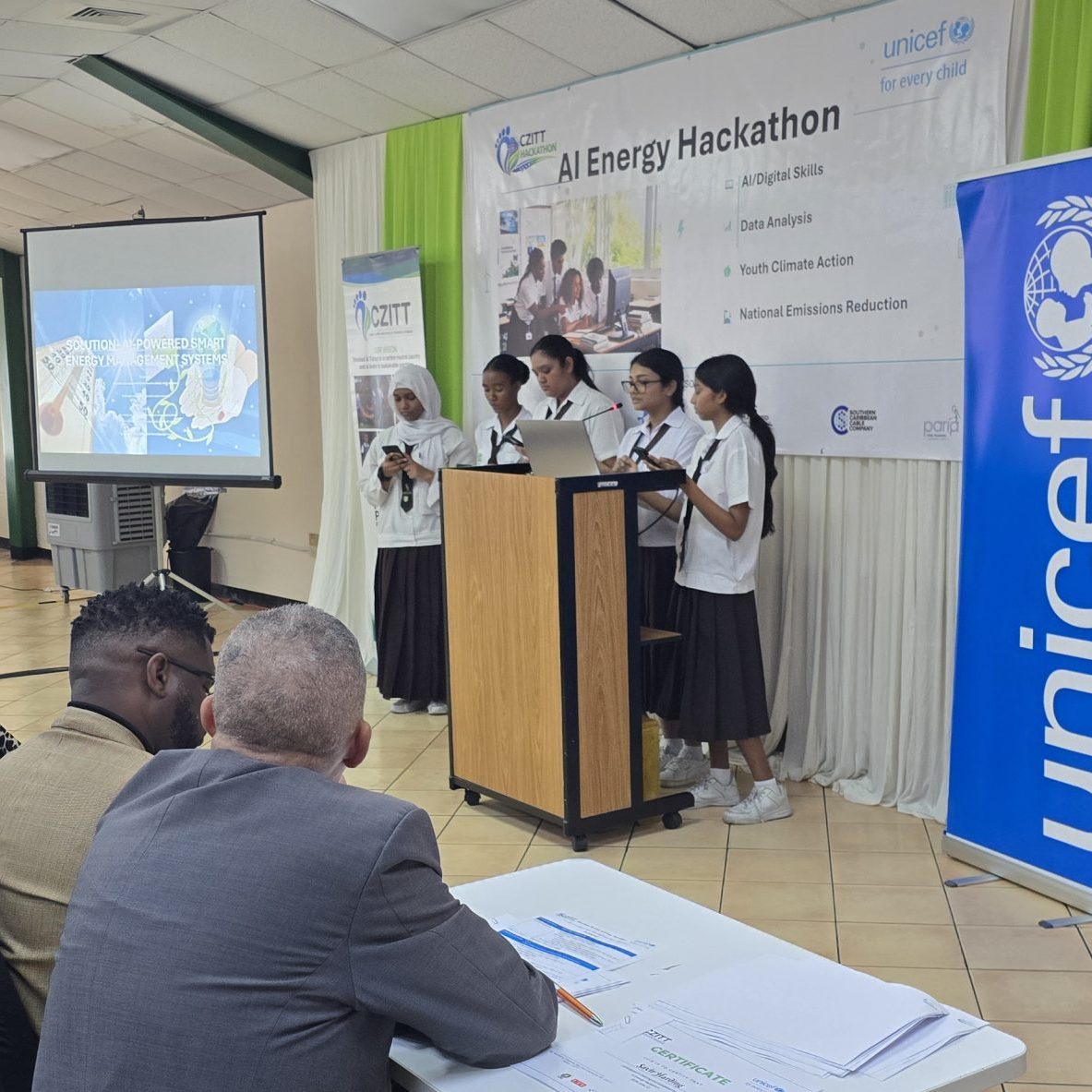
Every year, teams of secondary school students get secure access to their own school’s real, de-identified electricity consumption data, not a simulation. Using AI tools, they uncover usage patterns, estimate the carbon impact behind the numbers, and pitch a realistic, school-specific plan to cut emissions to a panel of educators and energy industry judges.
It’s climate education, energy literacy, and AI skill-building, built around a real problem instead of a hypothetical one.
How It works
Phase 1: Train
15 short, recorded online sessions covering everything a team needs: energy literacy, climate science fundamentals, AI tools and prompt engineering, introductory coding, leadership, and teamwork. A week before finals, teams get hands-on with a practice dataset, so the real thing, unlocked on competition morning, is unfamiliar in content only, not in method.
Phase 2: Compete
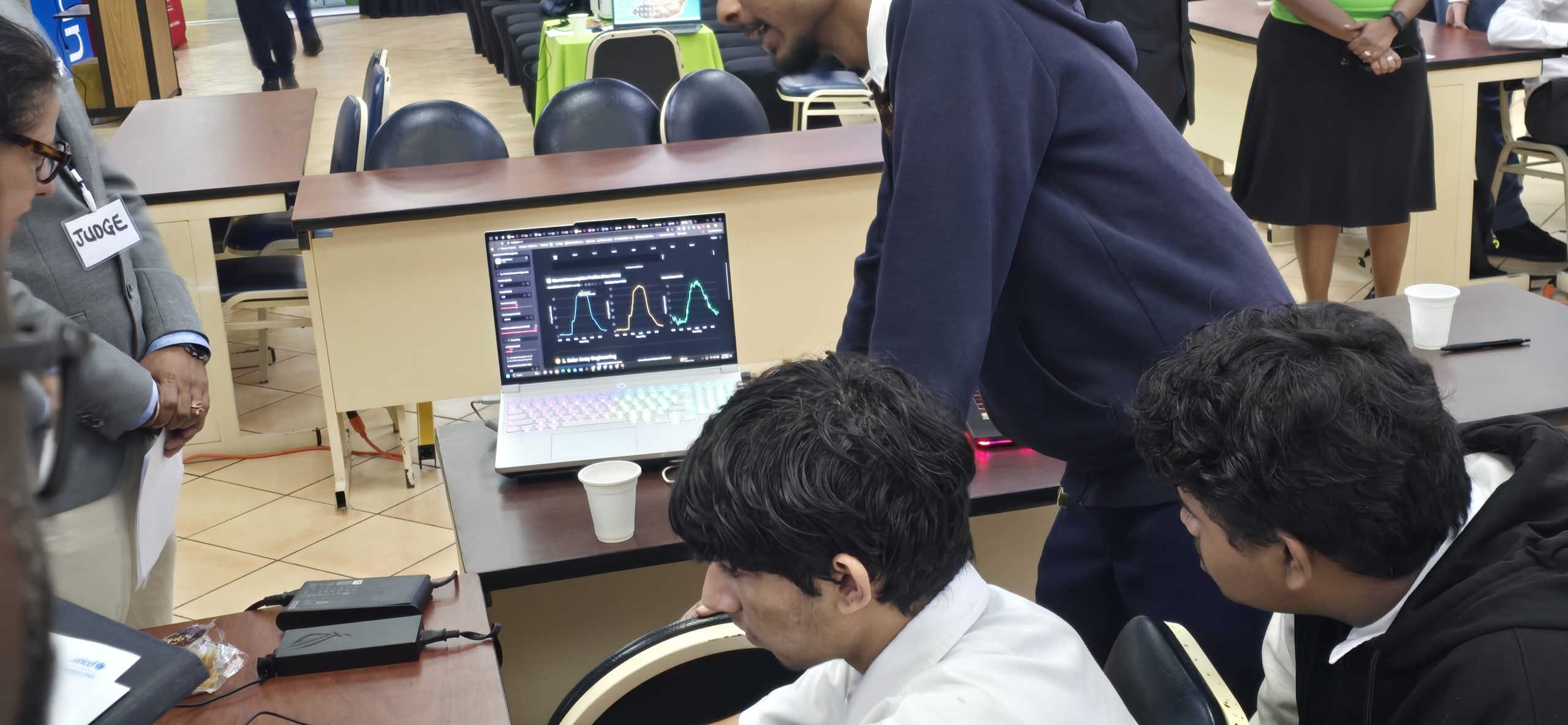
On the day, each team’s real school data unlocks. Teams:
- Analyse their school’s electricity consumption
- Use AI tools to identify trends and anomalies
- Generate code for deeper analysis
- Estimate the carbon impact behind the patterns
- Develop a realistic emissions-reduction strategy
- Present their recommendations to the judging panel
Judged on:
- Feasibility of Recommendations (25%)
- Data Analysis & AI Use (30%) ·
- · Creativity & Imagination (20%)
- Presentation & Clarity (15%)
- Teamwork & Leadership (10%)
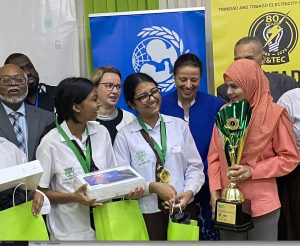
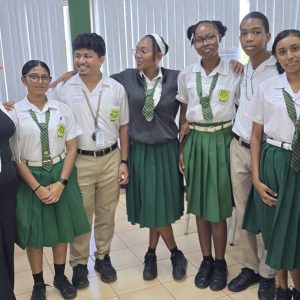
Hackathon Leaderboard 2026
For Sponsors & Partners
The Hackathon runs on a genuine cross-sector coalition; no single organisation could deliver it alone. In 2026, partners contributed funding, a venue, real utility data, a purpose-built technology platform, and on-the-ground technical support to bring 8 schools and 48 students through a live, secure data experience.
Partnering puts your organisation alongside UNICEF, UTT, and T&TEC in Trinidad and Tobago’s flagship youth climate-tech initiative with direct visibility into the country’s next generation of energy and sustainability talent.
Programme
The CZITT AI Energy Hackathon transforms secondary school students from passive consumers of electricity into active analysts and problem-solvers. Using their favourite AI tools, real school energy data, and their own knowledge of their school environment, teams will generate code, analyse their electricity consumption, and propose practical pathways to reduce their school’s carbon footprint.